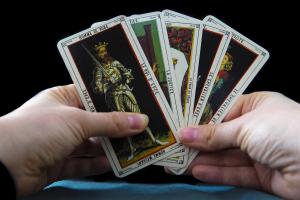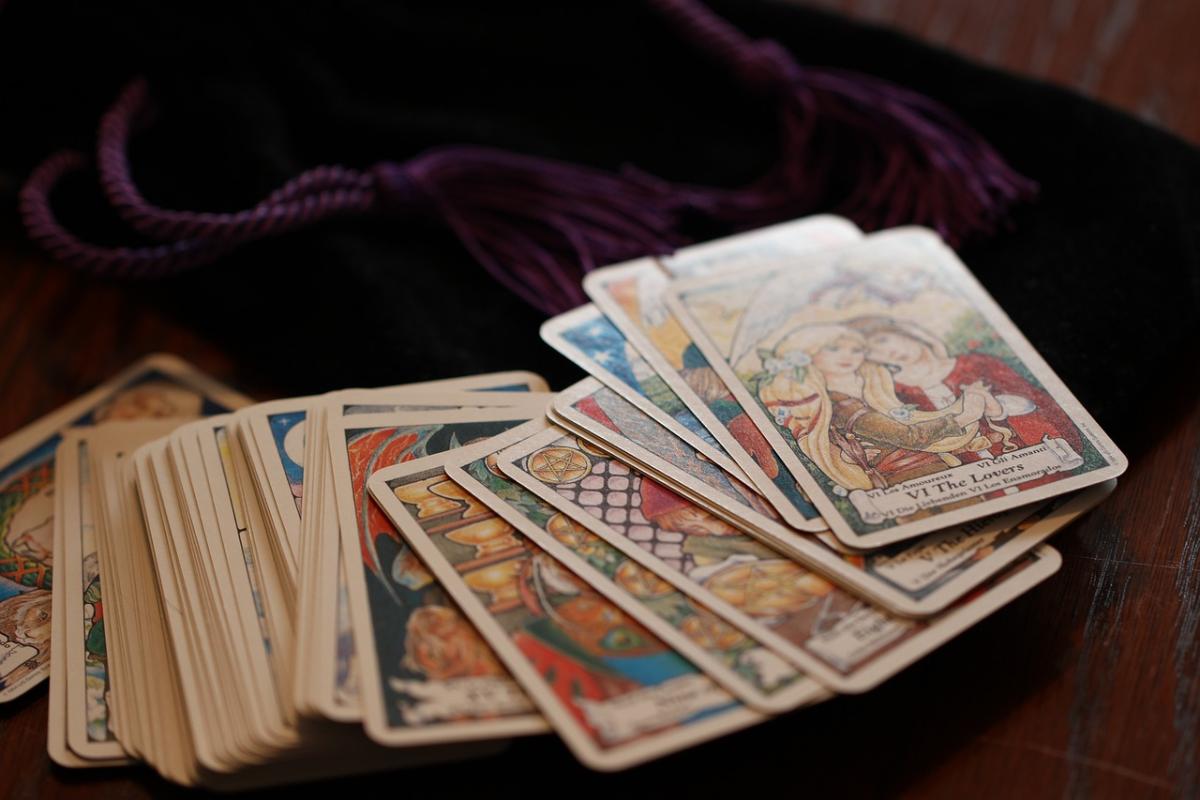
Getting into tarot cards can feel a bit overwhelming at first, but once you break it down, it’s actually pretty fun! So, let’s start with the basics. A standard tarot deck has 78 cards, divided into two main groups: the Major Arcana and the Minor Arcana. The Major Arcana has 22 cards that represent significant life events and deep spiritual lessons. Think of cards like The Fool or The World—they each pack a punch in terms of meaning.
The Minor Arcana is where you’ll find the day-to-day stuff. It has 56 cards split into four suits: Cups, Pentacles, Swords, and Wands. Each suit reflects different aspects of life. For example, Cups deal with emotions and relationships, while Pentacles focus on material matters and finances. Basically, the Minor Arcana gives you the nitty-gritty details of your day-to-day experiences.
Now, let’s talk about how to read tarot cards. You can do a simple three-card spread to start. Just ask a question in your mind, shuffle the deck, and pull three cards. The first card shows the past, the second card reflects the present, and the third gives insights about the future. It’s all about interpreting the symbols and connecting them to your question. No need for a crystal ball here—just your intuition!
Diving into tarot can lead you on an exciting journey of self-discovery. Each reading opens up a world of possibilities and helps you understand yourself better. Whether you're looking for guidance, clarity, or just a fun way to spend an afternoon, tarot cards have got your back. Grab a deck, find a cozy spot, and start exploring!
Exploring Native American Tarot Cards
Native American tarot cards bring a unique twist to the world of tarot. These decks often blend traditional tarot symbolism with the rich spiritual heritage of various Native American tribes. You’ll notice stunning artwork that reflects nature, animals, and important cultural symbols. It’s like carrying a little piece of history and spirituality with you.
One of the coolest things about Native American tarot cards is how they connect you with the Earth. Many designs feature elements like animals, plants, and the four directions, which have deep meanings within Native American traditions. For instance, the eagle might symbolize vision and freedom, while the bear can represent strength and introspection. This gives each reading a grounded feel, linking your insights directly to nature.
These decks often encourage a different kind of reflection. Using them can open doors to deeper understanding, not just in your personal life but also in how you relate to the world around you. Whether you’re a seasoned tarot reader or just curious, these cards offer fresh perspectives. You might find wisdom in the stories they tell, which are rooted in ancient traditions.
If you're thinking about trying a Native American tarot deck, look for ones that resonate with you. Some may capture specific tribal influences while others provide a more universal approach. It’s all about finding the right energy that speaks to you. You might just discover a whole new layer to tarot interpretation that feels both meaningful and inspiring.
Key Differences Between Tarot Styles
When diving into the world of tarot, you'll notice different styles, each with its unique flair. Traditional tarot decks, like the Rider-Waite, have a rich history and are packed with symbolism. It's all about the imagery and the story each card tells through familiar symbols and themes. If you want classic interpretations and detailed illustrations, these decks are your go-to.
On the flip side, Native American tarot cards introduce a fresh perspective. They blend traditional Native American culture and spirituality with tarot reading. These cards often highlight elements like nature, animals, and indigenous teachings. The imagery focuses on the connection to the earth, ancestors, and community, offering insights that may resonate deeply with those who appreciate these themes.
The way readings are approached also differs. Traditional tarot readings often rely on the established meanings of each card and the positions they appear in. Native American tarot may emphasize intuitive connections and storytelling, encouraging readers to share their personal experiences alongside the card meanings.
If you’re trying to decide between the two, think about what speaks to you. Do you connect with classic tarot symbolism, or does the Native American perspective resonate more with your personal beliefs and experiences? Each style brings something unique to the table, making your journey into tarot even richer.
Choosing the Right Tarot for You
Choosing the right tarot deck can feel overwhelming, especially with so many options out there. Whether you’re drawn to traditional tarot or the unique vibe of Native American tarot cards, it’s all about finding what resonates with you. Start by thinking about your personal connection to the imagery and symbols in each deck. Some people prefer classic designs, while others look for decks with a cultural twist.
When you’re browsing, pick up a few decks and flip through the cards. How do they feel in your hands? Do you connect with the artwork? Sometimes, a specific deck just speaks to you. Pay attention to those gut feelings. If you see a card that makes you smile or brings up a personal memory, that deck might just be the one.
Also, consider what you want from your readings. If you’re new to tarot, you might appreciate a deck with clear, straightforward images and guides. If you’re more experienced, you might enjoy a deck with deeper themes or complex symbolism. Native American tarot decks often incorporate cultural elements that can add layers to your readings, but make sure you feel a genuine connection to that cultural aspect.
Lastly, don’t rush it. Take your time to explore different decks online or at local shops. Many spiritual communities have tarot reading events, where you can check out cards in person and chat with other enthusiasts. Trust your instincts, and go with the deck that feels right for you. Happy card hunting!