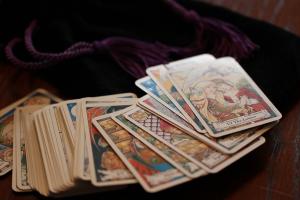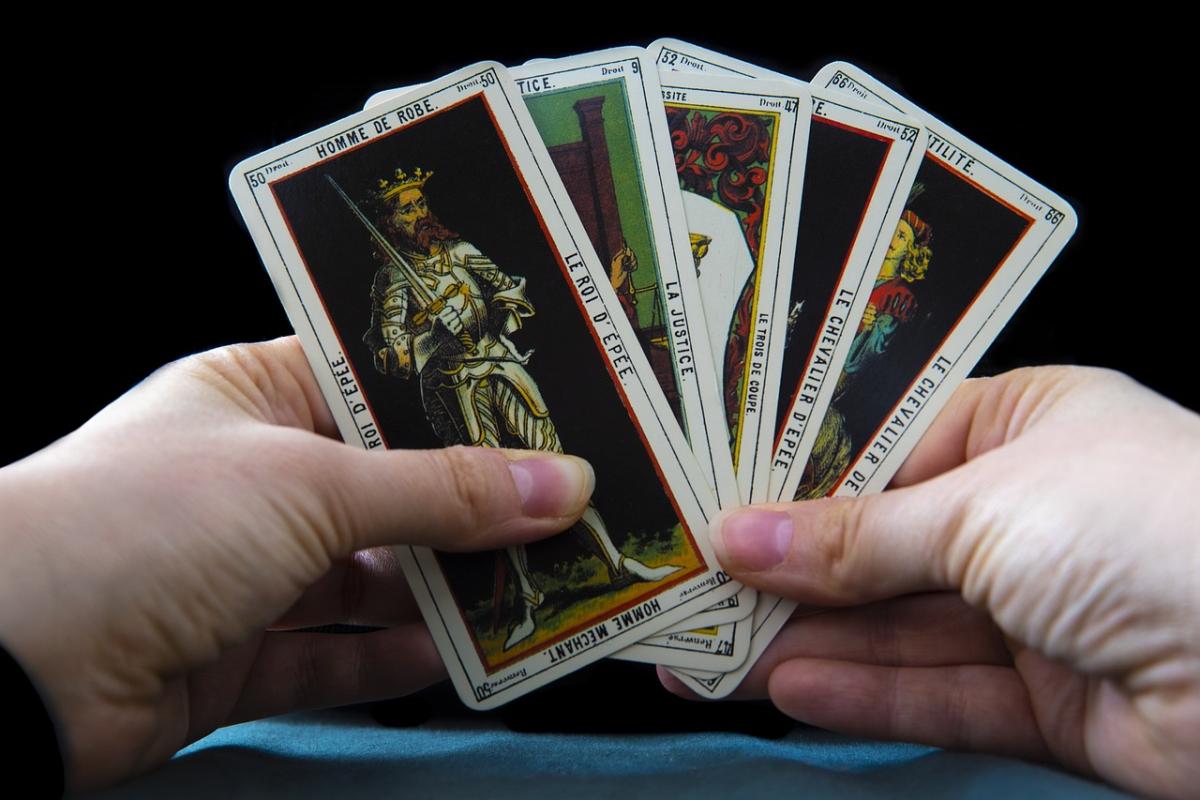
Once you have your deck, it’s time to connect with it. Spend some quiet time holding the cards, shuffling them, and just getting a feel for their energy. Some people like to give their deck a little cleansing ritual, like smudging with sage or letting them soak in moonlight. This step helps create a personal connection and gives your readings more meaning.
Now let’s talk about how to read the cards. Start simple! You don’t need to know every single card meaning right away. A good way to begin is with a three-card spread: past, present, and future. Draw three cards and lay them out in front of you. Look at each card and think about what they might be telling you in relation to your question or situation.
Lastly, keep a journal. Jot down your thoughts about the cards, how they relate to your life, and what feelings they stir up. This practice not only helps you remember what you’ve learned but also lets you see patterns over time. Tarot reading isn't just about the cards; it’s about the insights you gain and the growth you experience along the way. Have fun with each reading, and let your intuition guide you!
Understanding Tarot Card Meanings
When you dive into tarot reading, understanding the meanings of each card is key. Each card carries its own vibe, energy, and message, forming a unique story when laid out in a spread. It’s like having a conversation with the universe!
Tarot cards are usually divided into two main sections: the Major Arcana and the Minor Arcana. The Major Arcana cards highlight important life events or spiritual lessons. These cards tend to carry heavier energy and profound meanings. Think of The Fool, which symbolizes new beginnings and adventures, or The Tower, which often indicates sudden change or upheaval.
Then you have the Minor Arcana cards, which focus on day-to-day experiences. These are split into four suits: Cups, Wands, Swords, and Pentacles. Each suit relates to different aspects of life. For example, Cups are all about emotions and relationships, while Wands represent creativity and action.
When you pull a card, consider not just its individual meaning but also how it interacts with the other cards in your reading. That connection can really enhance the message. Take a moment to reflect on how the cards resonate with your current situation. The more you practice, the clearer the messages will become!
How to Conduct a Tarot Reading
Getting started with a tarot reading is all about setting the mood and connecting with your cards. Find a quiet space where you won’t be disturbed. Light a candle or burn some incense to create a calming atmosphere. This isn’t just about the cards—it’s about you tapping into your intuition.
Once you’re in your cozy spot, shuffle the deck while focusing on your question or the energy you want to explore. You can ask anything: from personal goals to relationships. Trust your instincts here. If a specific card jumps out or feels right as you shuffle, take note of it.
Now, it’s time to lay out the cards. The classic three-card spread is easy to start with: one for the past, one for the present, and one for the future. This simple setup gives you a nice overview of the situation. As you flip each card, take a moment to absorb its imagery and feel what it means to you. Don’t worry about memorizing the meanings—let your intuition guide you. The symbols can give you clues about your question.
After laying out the cards, start interpreting them. Look at how they interact with each other. Is there a theme that pops up? Maybe a conflict or a resolution? Take your time. You might even want to jot down your thoughts as you go. Remember, the goal is to connect the dots in a way that feels meaningful to you.
Finally, wrap up your reading by reflecting on what you’ve learned. This is your moment to absorb everything and think about how it applies to your life. Feel free to keep your cards in a special place or journal about your experience. The more you practice, the clearer your readings will become.
Tips for Reading Tarot with Confidence
Reading tarot can feel a little overwhelming at first, but with some simple tips, you can dive in confidently. Start by choosing a deck that really speaks to you. There are so many styles out there, from traditional Rider-Waite to more artistic or themed decks. Pick one that you feel a connection with; this makes your readings more personal and enjoyable.
Next, familiarize yourself with the meanings of the cards. You don’t have to memorize everything, but knowing the basic meanings helps. Use a journal to jot down your thoughts and feelings about each card as you draw them. This is a great way to capture your unique insights. Over time, you'll find patterns and meanings that resonate with you.
When you start a reading, set your intention. Take a moment to relax and focus on the question or issue at hand. This helps you connect more deeply to the cards and strengthens your intuitive powers. If you’re not sure what to ask, just choose a general theme, like love, career, or personal growth, to guide your reading.
Don’t be afraid to trust your intuition. Sure, the guidebook is helpful, but your gut feeling about a card's meaning is super important too. Take your time with each card, observing the imagery and your personal reactions to it. Sometimes, the most powerful messages come from what you feel, not just what’s written down.
Finally, practice makes perfect. The more readings you do, the more confident you'll become. Try reading for friends or family, or even doing daily draws for yourself. Each reading builds your skills and helps you develop a unique style. Just enjoy the journey, and don’t rush yourself. Tarot is all about exploration and understanding.