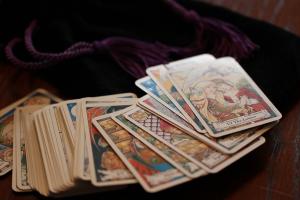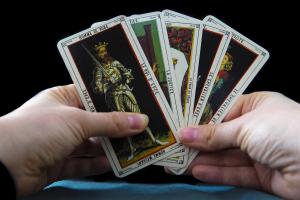
Tarot cards have a rich and mysterious history that dates back to the 15th century. They didn't start out as the mystical tools we know today. In fact, they were initially created for playing games like tarocchi in Italy. Picture it: friends gathered around a table, laughing and enjoying a good game, using colorful cards adorned with symbols.
As time went on, tarot cards caught the attention of mystics and spiritual seekers. By the late 18th century, they began to shift away from their gaming origins. People started to see the potential for tarot cards to act as a tool for divination and self-reflection. This was a game-changer, moving tarot into a more sacred space.
The deck itself evolved, too. While original decks typically had 78 cards, different styles emerged over time. The imagery on the cards, filled with archetypal symbols, opened doors to deeper meanings and interpretations. The Rider-Waite-Smith deck, created in 1909, became one of the most popular and widely used tarot decks today. It helped solidify the connection between tarot and spiritual guidance.
Today, tarot cards are used for everything from gaining insight into life decisions to simple self-exploration. They carry centuries of history, bringing together art, psychology, and spirituality. Each deck offers a unique vibe and perspective, inviting people to connect in their own way. Whether you're a seasoned reader or just starting out, there’s something wonderful about exploring the origins and meanings behind these enchanting cards.
How Tarot Cards Evolved Over Time
Tarot cards started out as a simple deck for playing games in the 15th century. The earliest decks were created in Europe, mainly in Italy, and they were used just like any other card games at the time. People loved enjoying games with friends and family, completely unaware of how these cards would eventually change the way we see ourselves and the world around us.
As time went on, some folks began to see tarot cards as a way to tap into the mysteries of life and the human experience. By the 18th century, tarot cards made a shift from games to something deeper. People started using them for divination and self-reflection, believing the cards held special messages and meanings that could guide personal journeys. It was kind of like discovering a new way to connect with their intuition.
Fast-forward to the 20th century, and tarot cards really took off in popularity. Decks became beautifully illustrated, sparking interest not just in the divination aspect but also in the art itself. Different styles emerged, allowing consumers to choose decks that resonated with them on a personal level. For some, it wasn’t just about reading the cards; it was about finding a deck that felt like it spoke directly to their soul.
Today, tarot cards have evolved even further. Online readings, apps, and modern interpretations make tarot accessible to everyone. It doesn't matter if you’re a total beginner or a seasoned pro; there’s a place for you in the tarot community. The evolution of tarot cards shows how a simple deck has become a tool for connection, introspection, and creativity for people all over the world.
Major Deck Styles and Their Significance
When diving into the world of tarot cards, you'll find that deck styles play a huge role in how you connect with the readings. Each deck has its own personality, thanks to unique artwork and themes that speak to different energies and experiences.
The Rider-Waite deck is a classic choice, loved by many for its straightforward imagery. The illustrations are filled with symbolism that helps beginners grasp tarot's meanings easily. Its popularity has influenced countless other decks, making it a staple in the tarot community.
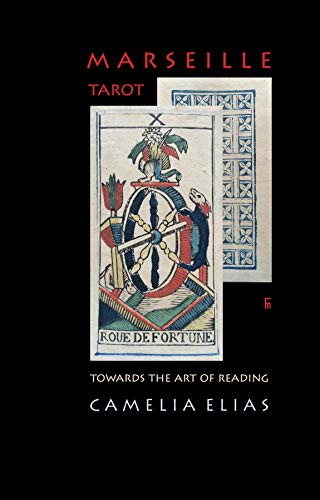
If you’re looking for something a little more modern, the Tarot de Marseille brings a vintage flavor. With its striking colors and simple designs, this deck captures the essence of traditional tarot. It invites users to focus more on their intuition and the messages that come through during a reading.
Then there’s the Wild Unknown Tarot, which has a more contemporary and artistic touch. Its hand-drawn imagery connects with people seeking a more emotional and introspective approach. It’s perfect for anyone wanting to explore deeper meanings in their life or readings.
No matter which deck you choose, each one carries significance that can enhance your tarot journey. Trust your instincts when selecting a deck that resonates with you, as your connection to it can greatly impact your readings.
Tarot in Modern Culture and Practice
Tarot has made a serious comeback in modern culture. People are picking up decks not just for divination but also for personal growth and self-reflection. It’s become a go-to tool for understanding oneself better. Many folks use Tarot cards as a way to check in with their feelings, clarify thoughts, or even just get inspired.
Social media plays a huge role in this revival. You’ll find countless Tarot readers sharing insights, daily card pulls, and beautiful card imagery on platforms like Instagram and TikTok. This has created a community where people can explore Tarot without feeling intimidated. It feels accessible to everyone, whether you’re a seasoned reader or a total newbie.
Tarot isn’t just about predicting the future anymore. Nowadays, it’s often used as a conversation starter or a journaling prompt. People might pull a card in the morning and jot down what it means to them, or use a spread to dive into a specific issue they’re dealing with. It's like having a wise friend who helps you navigate life’s twists and turns.
And let's not forget about the stunning art! Many modern decks feature beautiful illustrations and themes that resonate with different lifestyles and tastes. From whimsical and playful designs to deep, spiritual artwork, there’s a deck for everyone. This makes collecting Tarot cards a fun hobby in itself, as each deck comes with its own personality and vibe.